
[Department of Japanese] Winter Field Trip to Shigaraki Tanuki Village
Experiencing Japanese Culture at Shigaraki Tanuki Village, Shiga
In December, students from the Department of Japanese visited Shigaraki Tanuki Village in Shigaraki Town, Shiga Prefecture, as part of their winter field trip.
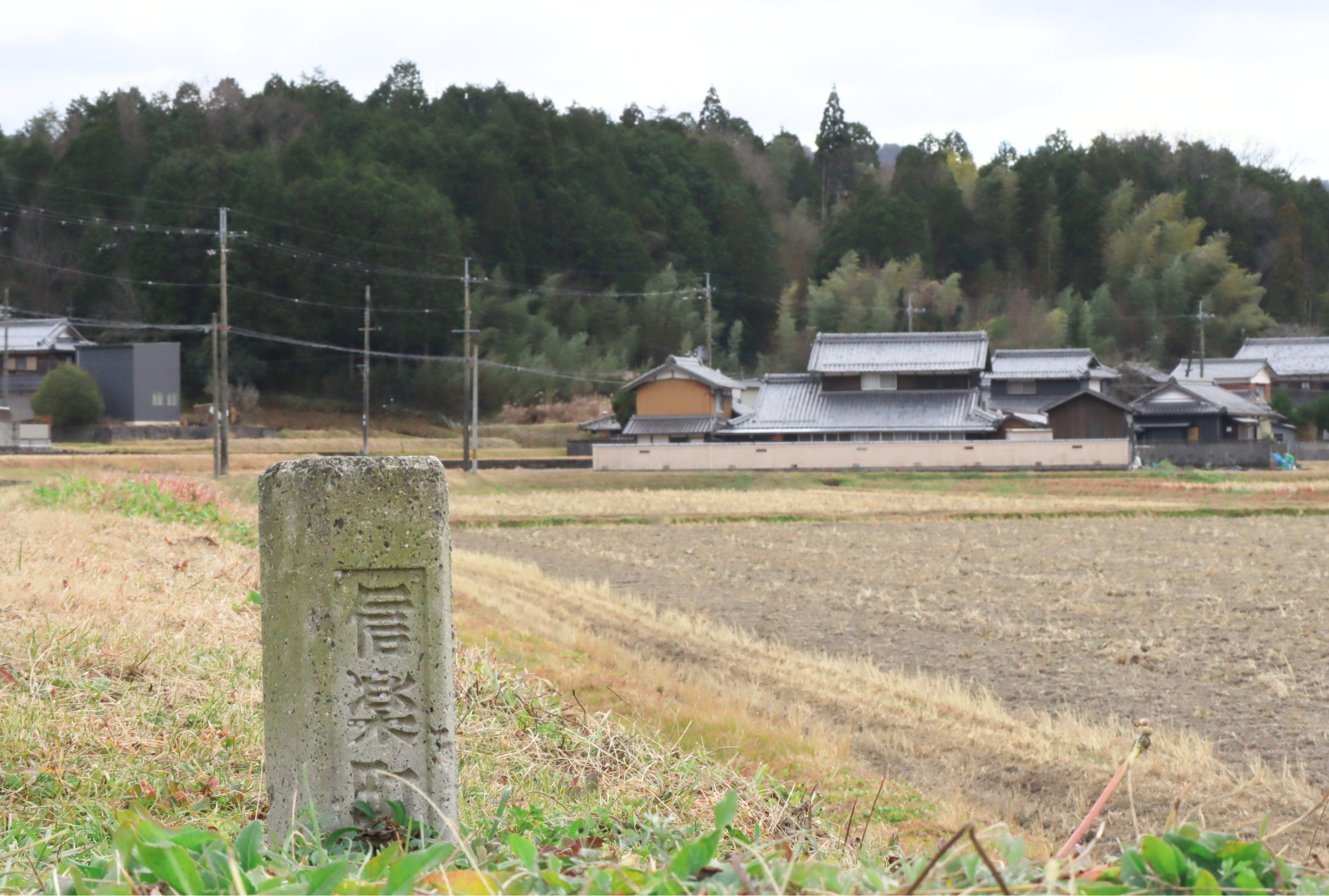
Shigaraki is widely known for Shigaraki ware, one of Japan’s traditional ceramic styles, as well as for its many tanuki (raccoon dog) figurines. It is an important area where traditional Japanese pottery culture has been preserved to this day.
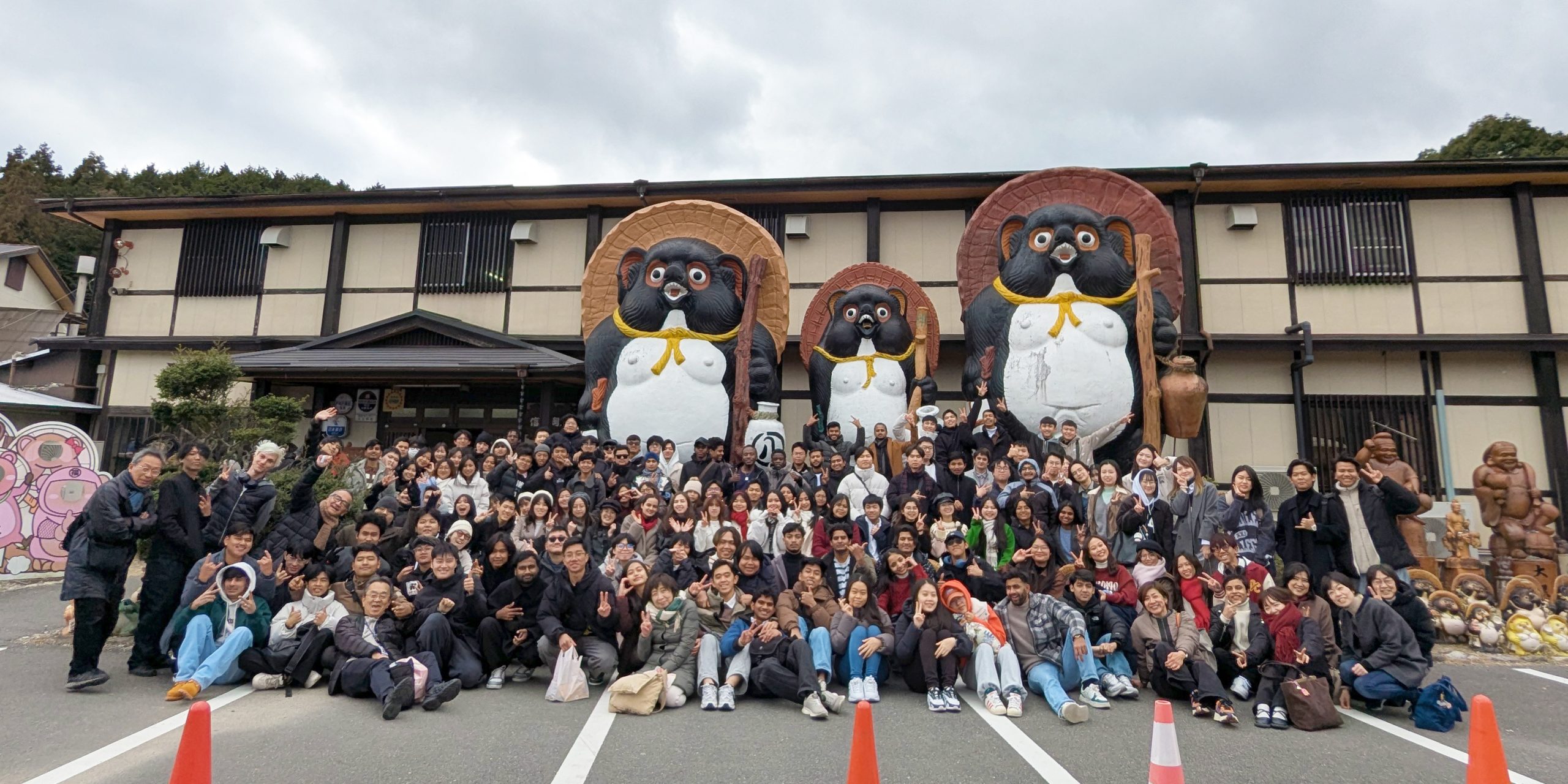
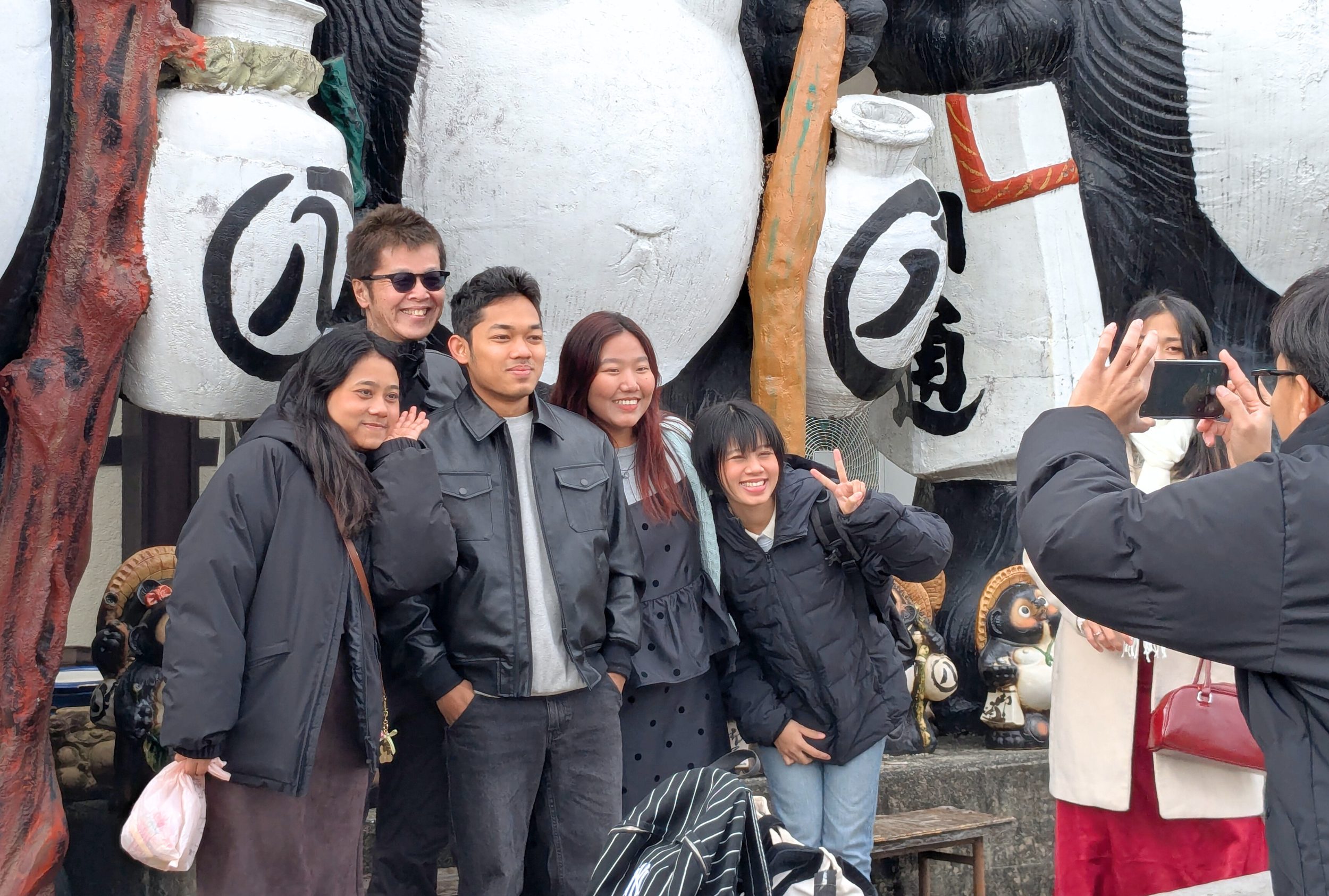
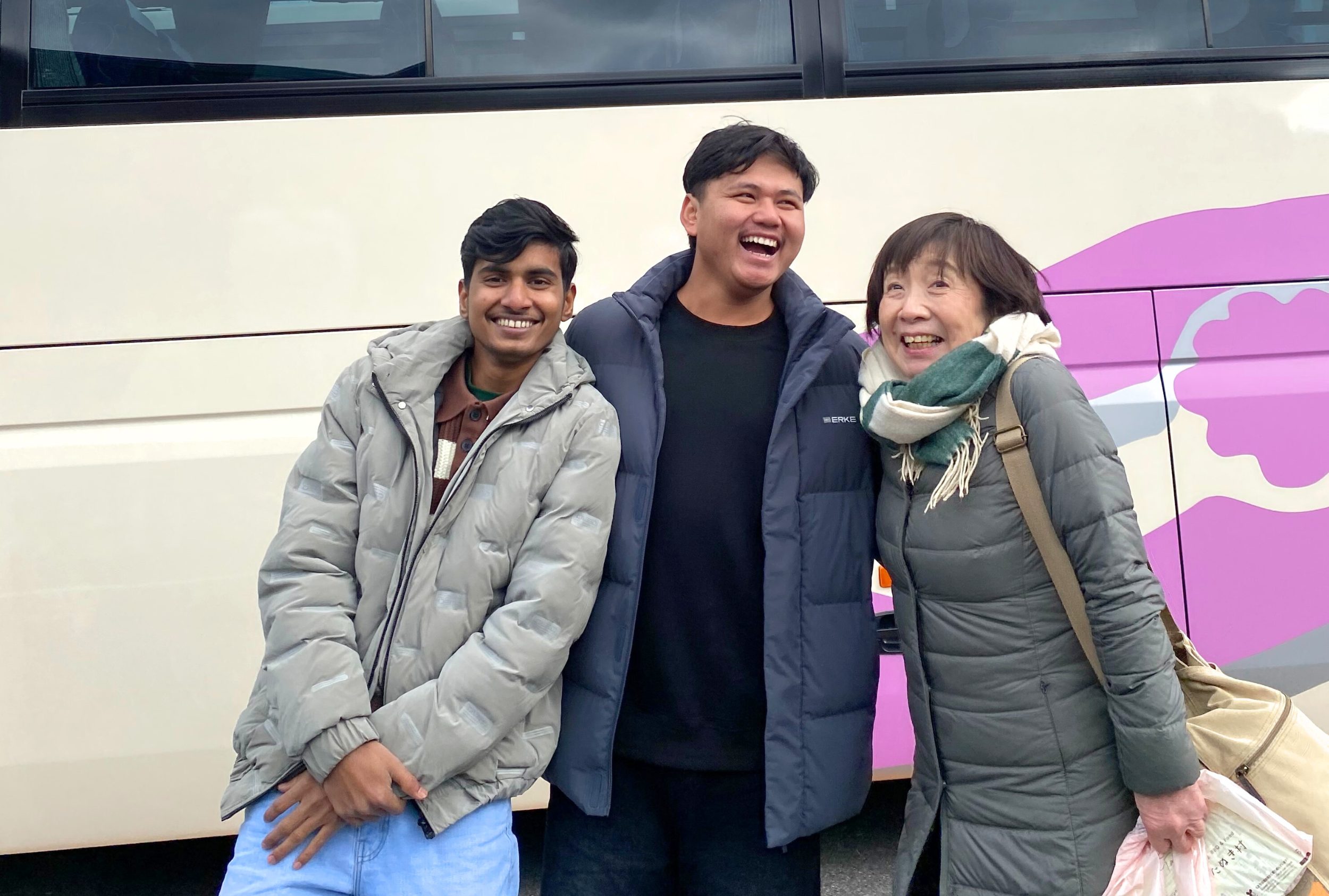
After about an hour and a half bus ride from school, we arrived at the Tanuki Village. Soon after stepping off the bus, the students were greeted by three large tanuki statues along with countless smaller figurines, creating a warm and welcoming atmosphere.
Tanuki Painting Experience
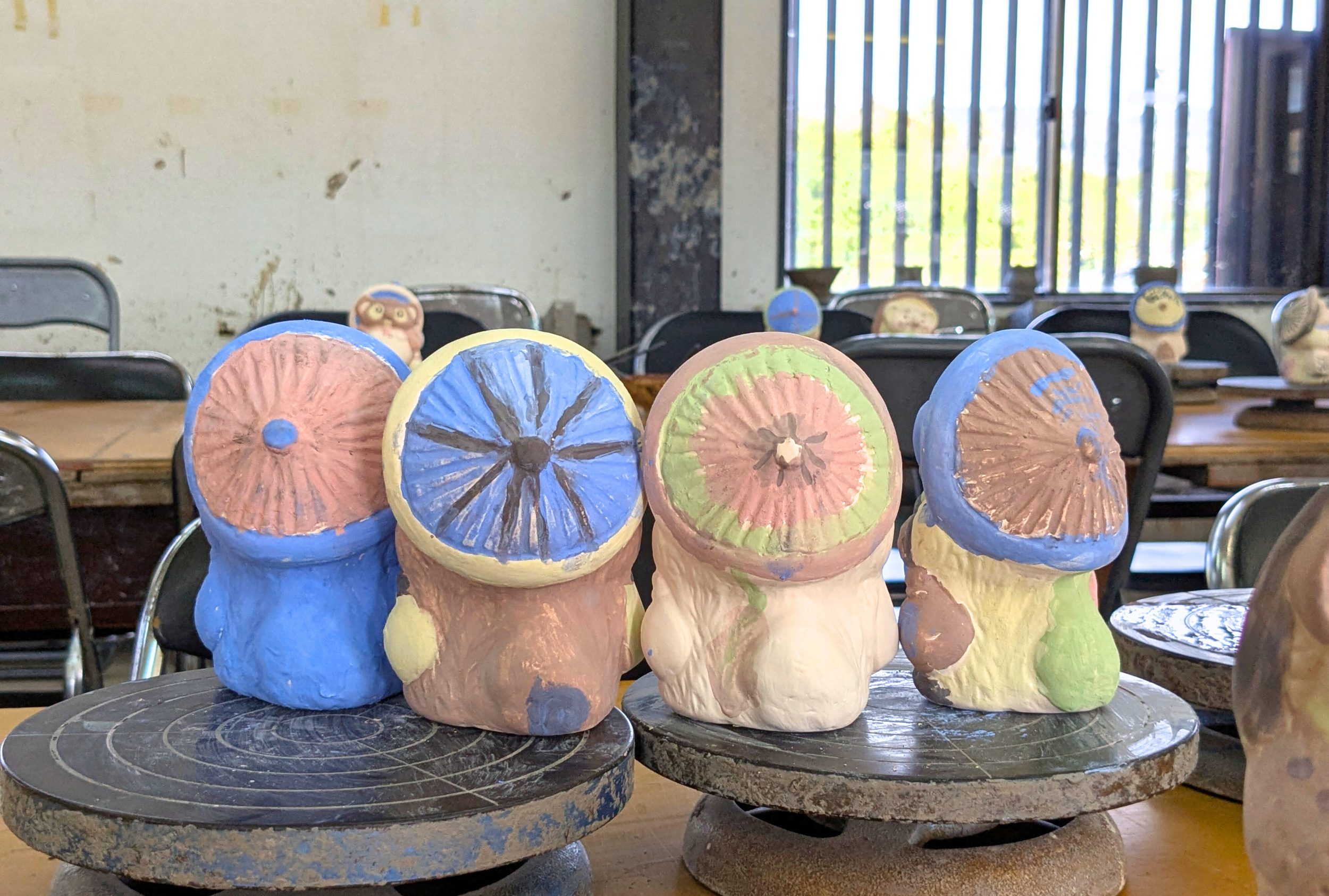
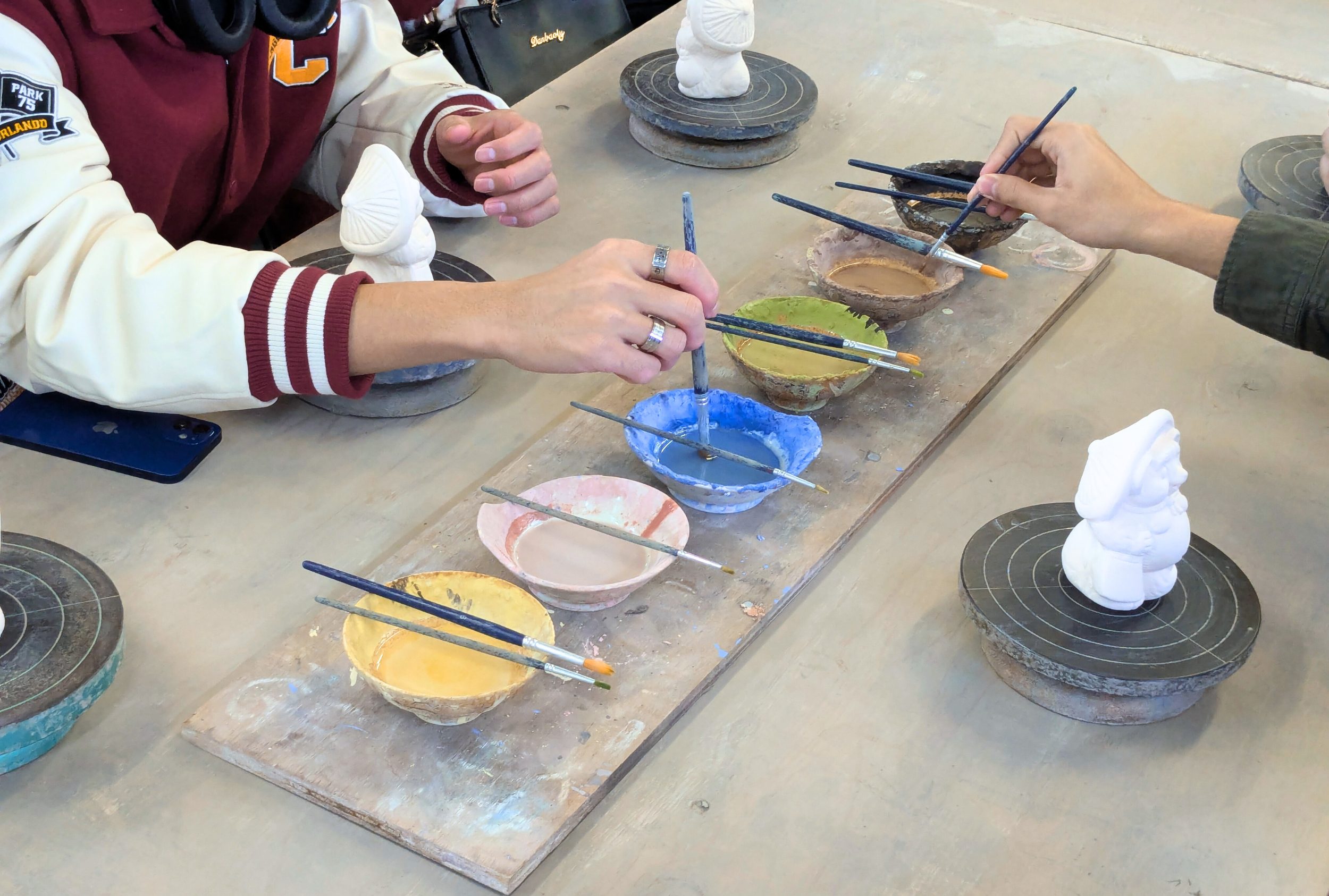
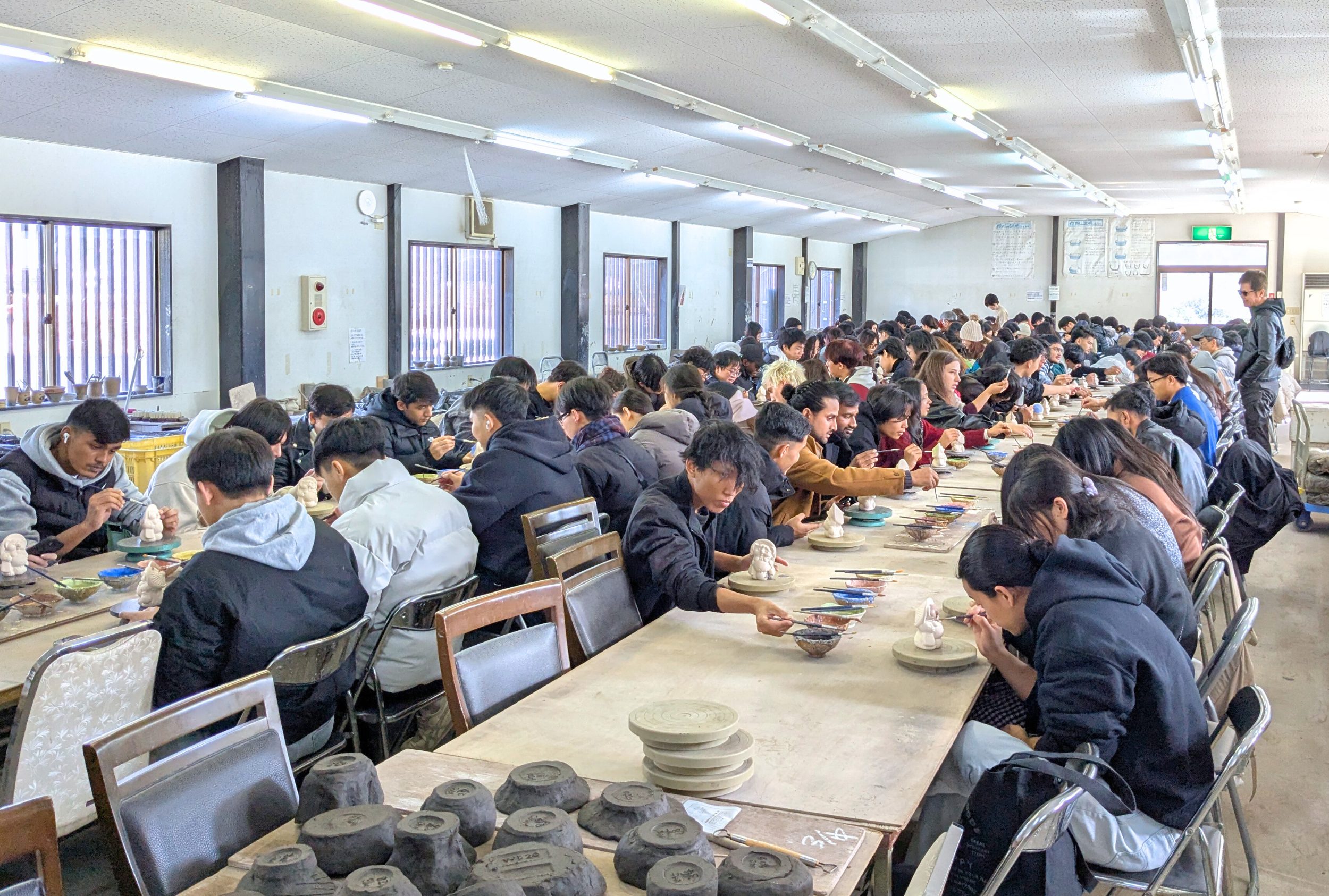
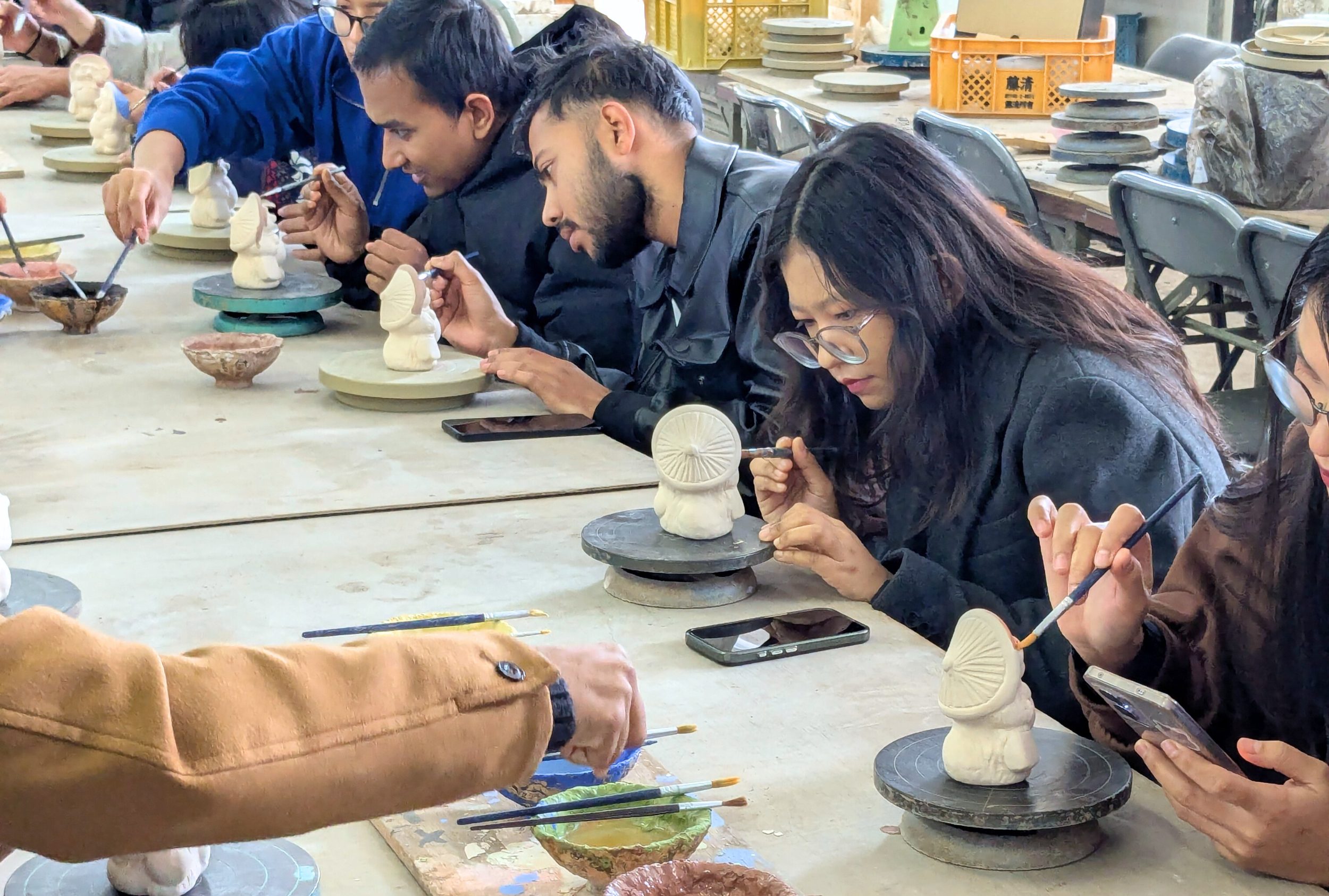
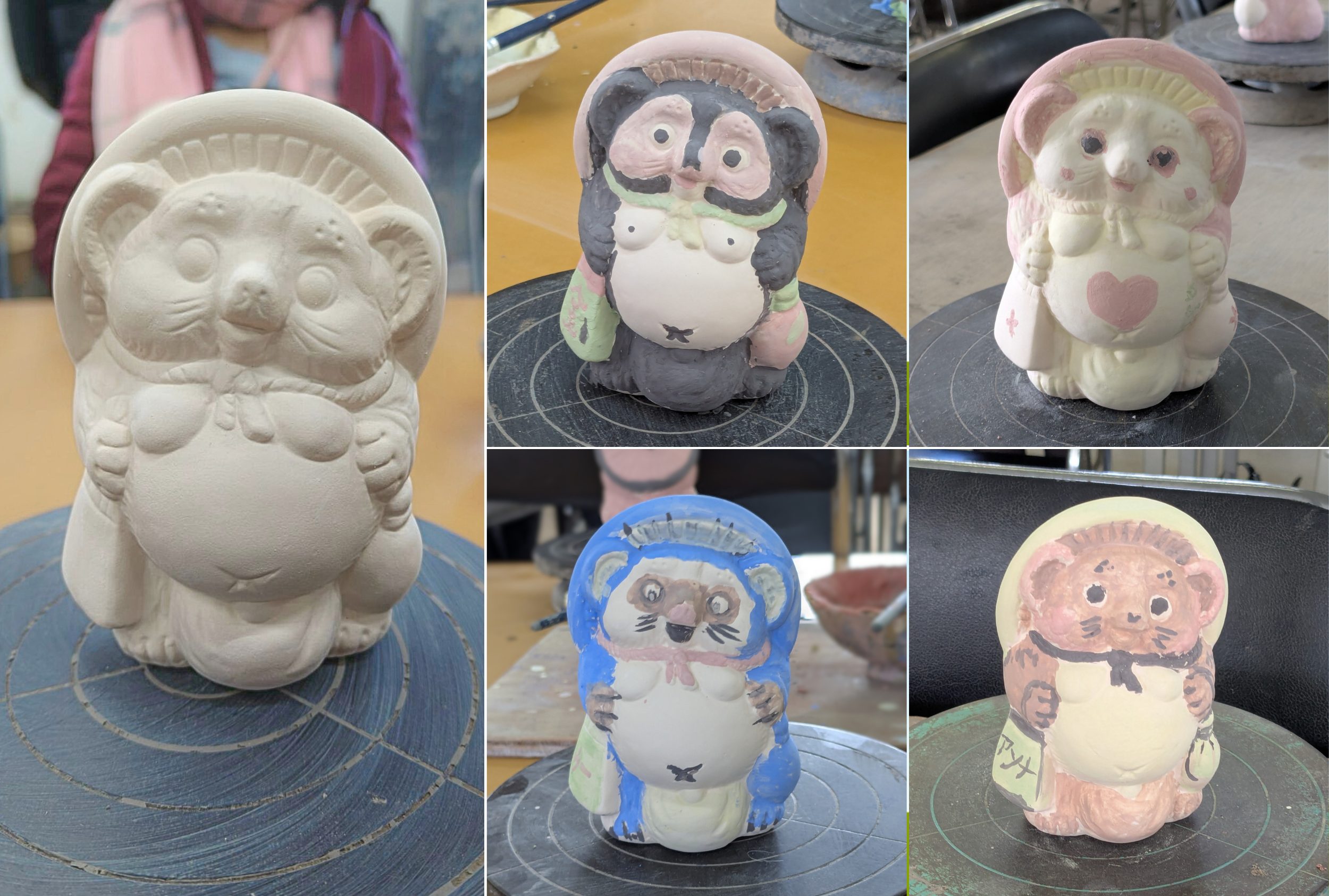
The highlight of this field trip was the tanuki painting experience. Each student received an unglazed white tanuki ceramic figure and was free to decorate it using the special paints provided.
As the activity began, the room naturally grew quiet as students focused on painting. Some students researched reference images in advance, and planned their color schemes carefully; on the other side, some students boldly experimented with bright colors, creating highly original designs.
Although everyone worked with the same base model, each completed tanuki reflected a unique style, expressing the individuality and creativity of its creator.
The painted figures will later be fired in a kiln, a process that takes approximately two to three months. As the colors and textures change during firing, students are already looking forward to seeing their finished works.
Japanese-Style Lunch
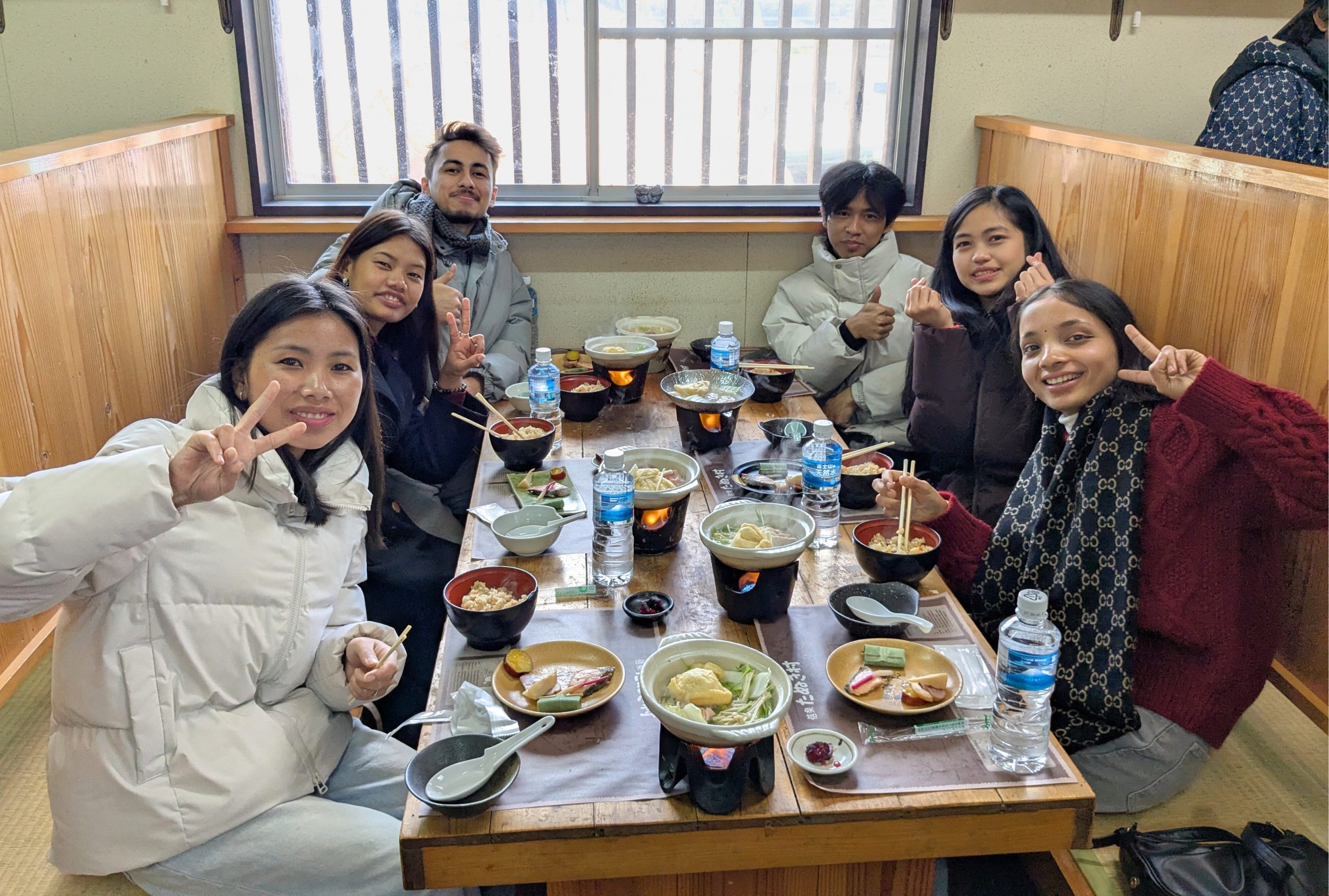
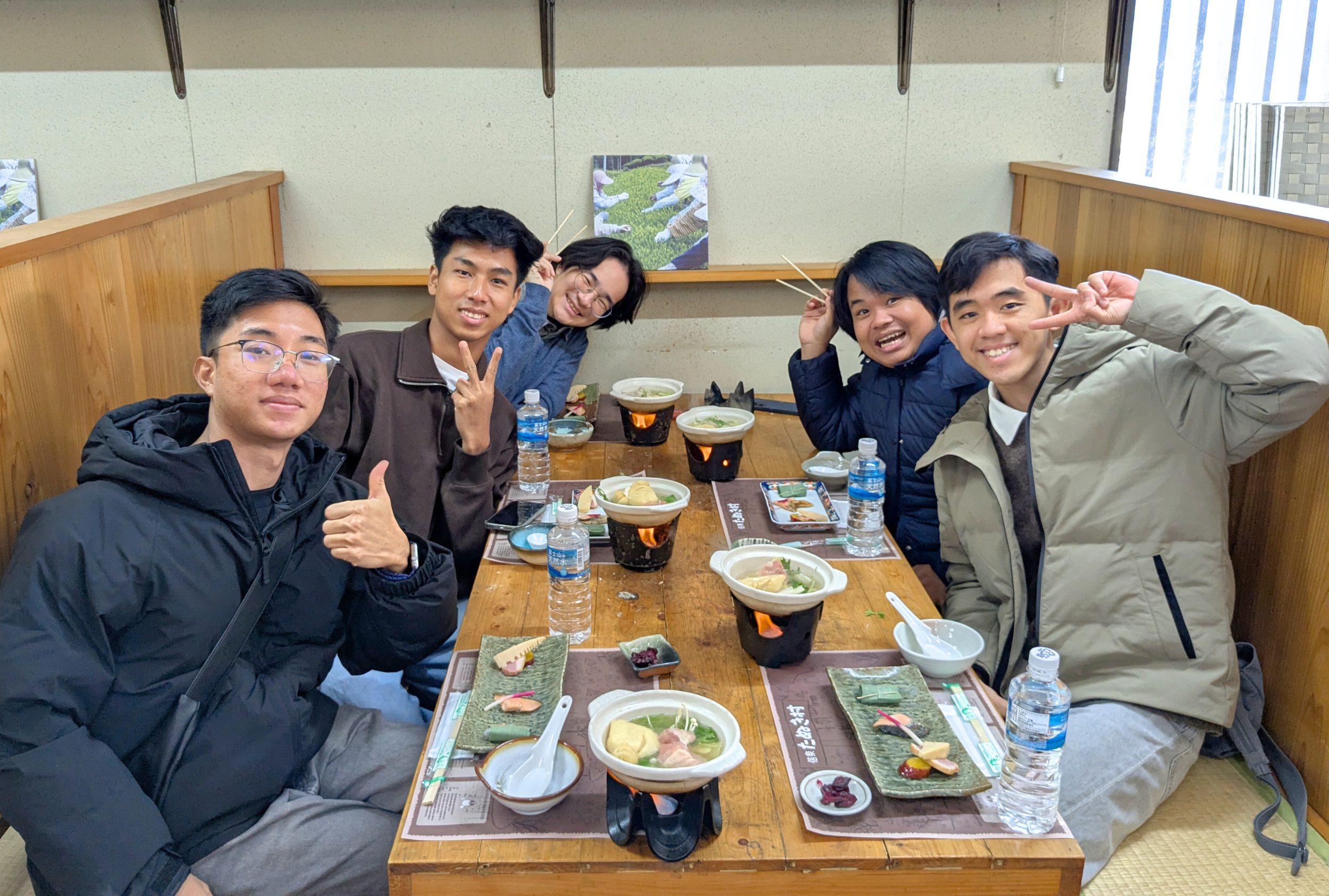
After the painting session, students enjoyed lunch within the facility.
The meal consisted of a Japanese set menu featuring a mini hot pot and steamed rice, which felt especially comforting in the winter cold. While eating, students shared their thoughts on the painting experience, creating a relaxed and friendly atmosphere.
Through this mealtime experience, students were also able to learn more about Japanese food culture, adding another meaningful layer to the field trip.
Free Time: Connecting Across Classes
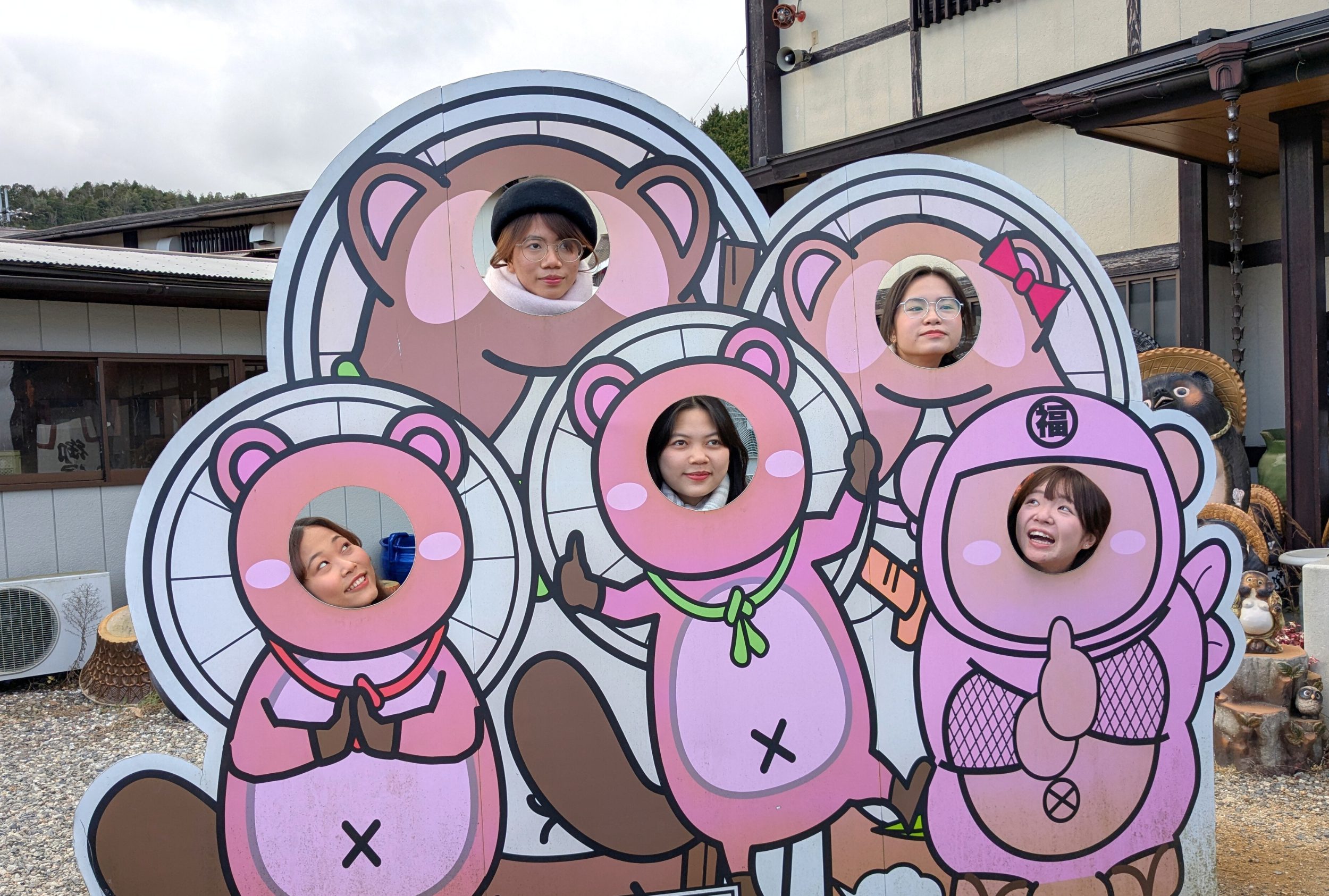
After lunch is the free time. Students explored the area in search of interesting tanuki figures, strolled along paths around the village, and took photos together to capture memorable moments.
Visiting Otsu Service Area: Enjoying the Winter Scenery
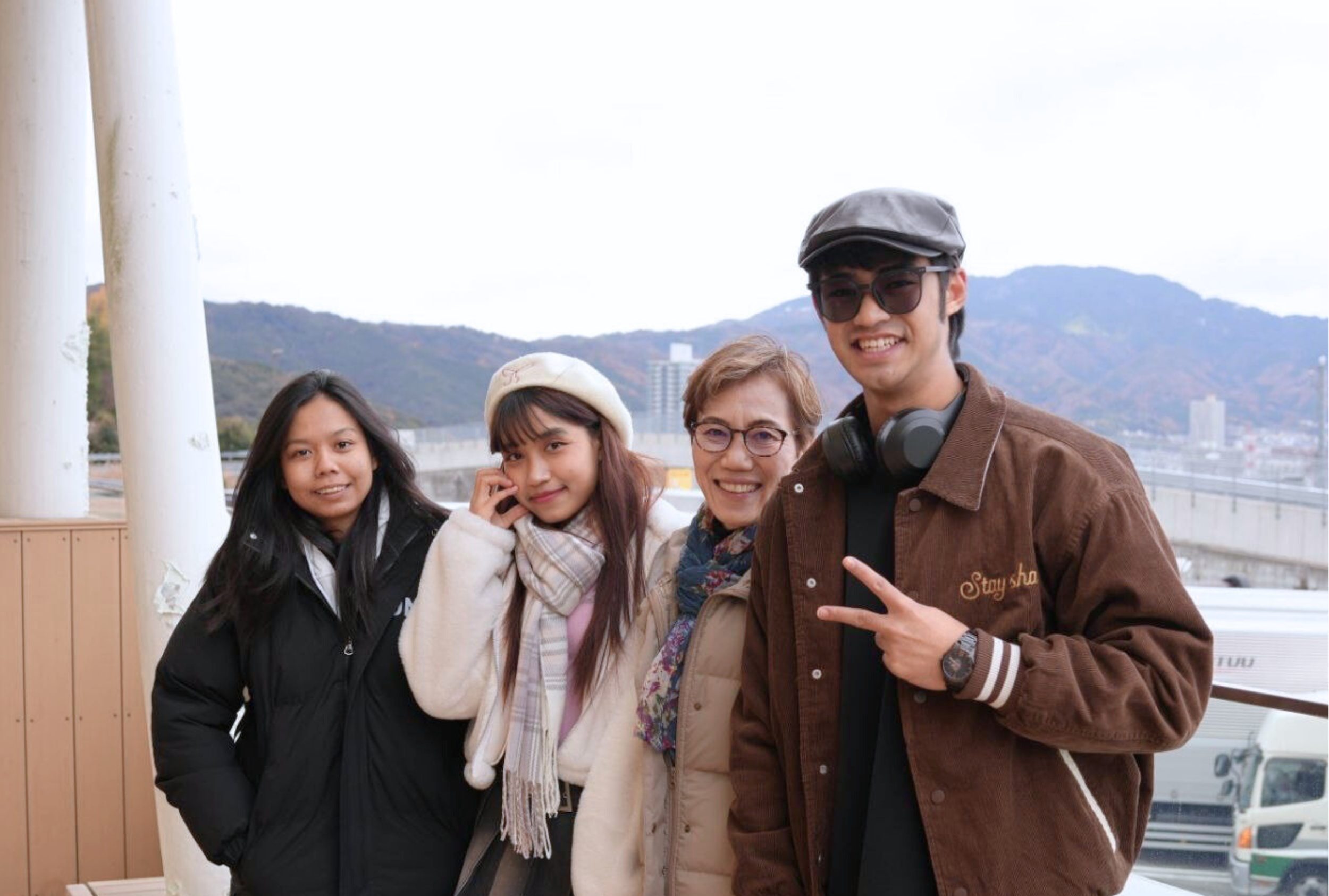
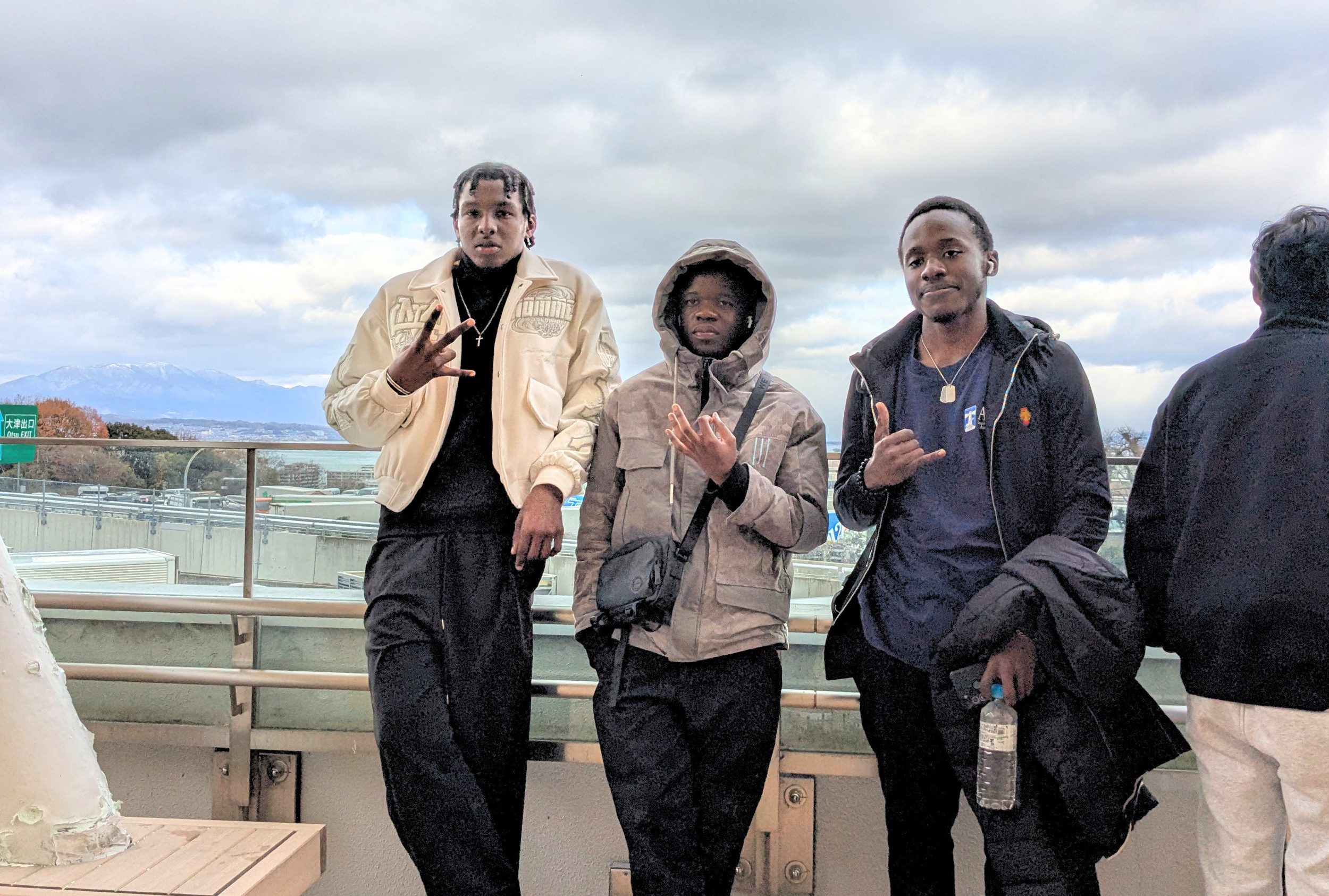
On the way back, we stopped briefly at Otsu Service Area, which offers views of Lake Biwa.
Students visited the observation deck, took photos, and browsed shops for souvenirs, enjoying a relaxing break. As light snow began to fall, it added a small but special surprise to the journey. Despite the cold weather, students enthusiastically recorded this memorable moment.
Wrapping Up
Looking back on the field trip, students deepened their understanding of Japanese culture not only through observation, but also through hands-on creation and meaningful interaction with one another.
In a couple of months, when the finished tanuki figures are returned after firing, they will surely bring back their memories of this day. As one of the final major activities of the semester, this winter field trip provided students with a valuable and lasting learning experience.